
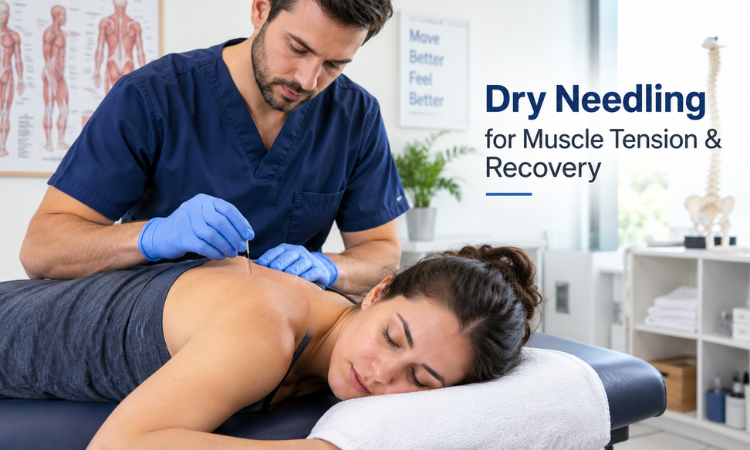
Muscle tension can develop for many reasons, including sports injuries, accidents, repetitive movements, poor posture, or physical strain. When tight or painful muscles begin affecting movement and everyday activities, finding the right treatment approach can make an important difference in recovery.
Dry needling for muscle tension is one treatment option that may be considered for certain musculoskeletal problems. At Accident & Wellness Care Center in Murfreesboro, Tennessee, dry needling may be incorporated into an individualised care plan based on a patient’s symptoms, physical condition, and recovery goals.
What Causes Muscle Tension After an Injury?
An injury can cause muscles to tighten as the body responds to stress or protects an affected area. After an accident or sports injury, surrounding muscles may also become overworked as movement patterns change.
This tension can contribute to:
- Muscle soreness and tenderness
- Restricted range of motion
- Stiffness
- Pain during movement
- Difficulty returning to normal activities
- Ongoing discomfort in the neck, shoulders, or back
The source of muscle tension can vary from person to person. A professional assessment can help determine whether the discomfort is related to muscular problems or another underlying condition.
What Is Dry Needling?
Dry needling is a technique that uses thin, sterile needles to target selected muscles and areas associated with myofascial trigger points or muscular tension. Unlike an injection, the needle does not deliver medication.
The technique is generally focused on specific areas rather than treating the entire body at once. Depending on the patient’s condition, dry needling may be combined with other rehabilitation or pain-management approaches.
If you are considering dry needle therapy Tennessee providers offer, discussing your symptoms with a qualified healthcare professional is an important first step.
How May Dry Needling Support Recovery?
When muscle tension contributes to pain or restricted movement, addressing the affected muscles may be one component of a broader recovery plan.
Dry needling may be considered for selected patients experiencing muscular discomfort associated with conditions such as:
- Neck and shoulder tension
- Back and muscle pain
- Myofascial discomfort
- Trigger-point-related pain
- Certain sports-related injuries
- Some accident-related soft-tissue problems
- Limited movement associated with muscle tightness
Treatment needs vary considerably. Dry needling is not appropriate for every person or every type of pain, which is why an individual assessment is important.
Dry Needling After a Car Accident
Car accidents can place significant stress on muscles and soft tissues. Neck, shoulder, and back discomfort may develop after an accident, and some symptoms can become more noticeable as normal activities resume.
For suitable patients, dry needling after injury may be included as part of a broader rehabilitation programme.
However, accident-related pain should be properly evaluated rather than assuming that muscle tension is the only cause. Depending on the injury, treatment may include rehabilitation exercises, chiropractic care, acupuncture, manual therapies, or other appropriate services.
At Accident & Wellness Care Center, treatment can be tailored around the patient’s individual symptoms and recovery needs.
Dry Needling for Neck and Back Muscle Tension
Neck and back tension can interfere with work, exercise, sleep, and everyday movement. Prolonged sitting, repetitive activities, physical exertion, or previous injuries can all contribute to muscular tightness.
For some patients, dry needling may be considered when specific muscles or trigger points are contributing to discomfort.
For example, a person recovering from an injury may experience muscle tightness that makes normal movement uncomfortable. Addressing the muscular component alongside appropriate rehabilitation may help support the overall recovery process.
If neck discomfort is affecting your daily activities, you can also explore our Neck Pain Therapy Middle Tennessee service to learn more about available treatment approaches.
What Happens During a Dry Needling Session?
Before treatment, a provider may discuss your symptoms, medical history, previous injuries, and movement limitations. The affected area can then be assessed to determine whether dry needling may be appropriate.
If treatment is recommended, thin sterile needles are inserted into selected muscle areas. Some people may experience a brief twitching sensation, pressure, or mild discomfort.
Temporary soreness or tenderness can occur following treatment. Your provider can explain what to expect and provide appropriate guidance based on your individual situation.
Why a Personalised Treatment Plan Matters
There is no single treatment that works for every type of muscle pain. The underlying cause, severity of symptoms, previous injuries, physical activity, and overall health can all influence treatment decisions.
That is why dry needling may work best as part of a broader plan when clinically appropriate. Other treatment approaches may be recommended depending on the patient’s needs.
For individuals recovering from sports injuries, Accident & Wellness Care Center also provides Sports Rehabilitation Middle Tennessee to support rehabilitation and a return to normal activity.

When Should You Seek Professional Help?
Consider seeking professional evaluation when muscle pain or tightness:
- Continues for an extended period
- Interferes with daily activities
- Limits normal movement
- Develops after an accident or injury
- Returns repeatedly
- Makes exercise or work difficult
Early evaluation can help identify possible causes and determine which treatment options may be appropriate.
If you are looking for dry needling for muscle tension or injury-related muscular discomfort in Tennessee, Contact Accident & Wellness Care Center can evaluate your condition and discuss potential treatment options.
Frequently Asked Questions
1. Is dry needling good for muscle tension?
Dry needling may be considered for certain types of muscular tension and trigger-point-related discomfort. Whether it is appropriate depends on the individual’s condition and symptoms.
2. Can dry needling be used after an injury?
It may be incorporated into a rehabilitation plan for appropriate patients after certain injuries. A professional evaluation should be completed before treatment.
3. Can dry needling help with neck and shoulder tension?
Dry needling may be considered when specific muscles contribute to neck or shoulder discomfort. Other treatments may also be included depending on the cause of the symptoms.
4. Is dry needling the same as acupuncture?
No. Although both techniques use thin needles, dry needling and acupuncture are different approaches with different treatment principles and purposes.
5. How many dry needling sessions are needed?
There is no standard number of sessions. Treatment frequency depends on the individual’s condition, symptoms, response to treatment, and overall recovery plan.
6. Where can I learn about Dry Needle Treatment in Tennessee?
Accident & Wellness Care Center provides information and treatment options for patients considering dry needling. Patients can discuss their symptoms with the care team to determine whether treatment may be appropriate.