

A car accident can leave you feeling shaken, even when you do not notice any immediate pain. However, some injuries may cause symptoms hours or days after a collision. Neck stiffness, back pain, headaches, shoulder discomfort, and other symptoms can develop after you have left the accident scene.
Not feeling pain immediately does not always mean you are injury-free. Understanding the possible signs of delayed car accident injuries can help you recognise when to seek medical attention.
At Accident & Wellness Care Center in Murfreesboro, Tennessee, patients can learn about care options for car accident injuries in Middle Tennessee, including neck pain, back pain, whiplash-related symptoms, and other musculoskeletal concerns.
Why Do Car Accident Injuries Sometimes Appear Later?
During a collision, the body can experience sudden movement, twisting, and impact. Stress and adrenaline may also affect how you perceive discomfort immediately afterward.
As your body settles down, symptoms such as soreness, stiffness, and restricted movement may become more noticeable. Some injuries, including whiplash and concussion, can have delayed symptoms.
If you notice new or worsening symptoms after an accident, consult an appropriate healthcare professional rather than assuming the discomfort will disappear on its own.
1. Whiplash and Neck Injuries
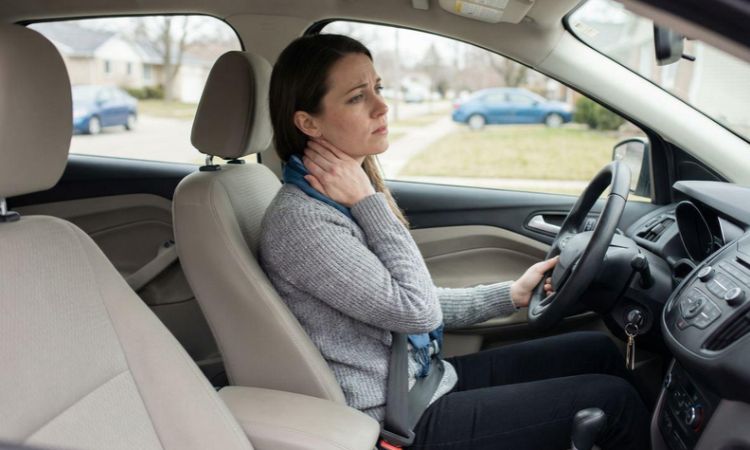
Whiplash is commonly associated with rear-end collisions. The sudden forward-and-backward movement of the head can strain the muscles and other structures in the neck.
Possible symptoms include:
- Neck pain and stiffness
- Reduced range of motion
- Shoulder discomfort
- Headaches
- Muscle tenderness
- Tingling or numbness in some cases
Symptoms may begin immediately or develop later.
If you experience neck discomfort after a collision, read our guide to neck pain after a car accident and when to seek treatment. It explains common symptoms and treatment considerations.
2. Back Injuries and Lower Back Pain
The force of a collision can place stress on the muscles, joints, and other structures in your back. You may initially notice little discomfort, only to develop soreness or stiffness later.
Common symptoms can include:
- Lower or upper back pain
- Muscle spasms
- Stiffness when bending or turning
- Discomfort while sitting or standing
- Pain that interferes with everyday activities
Persistent back pain deserves professional assessment, especially when it worsens or affects normal movement.
Accident & Wellness Care Center provides care for several back-related conditions. You can explore the clinic’s information about spinal decompression and disc-related back problems to learn more about available treatment approaches.
3. Shoulder Injuries
A seat belt helps protect you during a collision, but the force involved can still place stress on the shoulder and surrounding tissues.
You may experience tenderness, pain when lifting your arm, restricted movement, or discomfort around your upper back.
If shoulder pain continues or interferes with daily activities, a healthcare professional can evaluate the affected area and determine whether further investigation is needed.
4. Soft-Tissue Injuries
Soft-tissue injuries affect structures such as muscles, tendons, and ligaments. They can occur during a collision even when there are no obvious cuts or bruises.
Symptoms may include:
- Muscle soreness
- Swelling or tenderness
- Stiffness
- Pain during movement
- Reduced flexibility
Some muscular symptoms become more noticeable over time. Treatment should depend on the type and severity of the injury rather than assuming every case is simply muscle strain.
For additional information, read our article about how dry needling may help with muscle tension and recovery after an injury. Dry needling may be considered for selected muscular conditions following an appropriate assessment.
5. Headaches After a Car Accident
Headaches that begin after a collision should not automatically be dismissed as stress or tiredness.
Some headaches can be associated with neck injuries, while others may indicate a different problem that needs medical assessment.
Pay attention to headaches that are new, persistent, severe, or accompanied by dizziness, confusion, or other symptoms.
If a headache is severe or worsening after an accident, seek urgent medical evaluation.
6. Concussion and Mild Traumatic Brain Injury
A concussion can occur following a blow or jolt to the head or body. Losing consciousness is not necessary for a concussion to occur, and symptoms may not be immediately apparent.
Possible symptoms include:
- Headache or dizziness
- Nausea
- Difficulty concentrating
- Memory problems
- Sensitivity to light or noise
- Fatigue or changes in sleep
Suspected concussion requires appropriate medical evaluation. Seek emergency care for warning signs such as repeated vomiting, seizures, increasing confusion, weakness, or a severe and worsening headache.
7. Numbness, Tingling, or Radiating Pain
Numbness, tingling, or pain that travels into an arm or leg may sometimes be associated with nerve irritation or a spinal problem.
These symptoms should not be ignored, particularly if they are new or worsening. New weakness, significant numbness, or difficulty walking after an accident warrants urgent medical assessment.
A healthcare professional can determine whether additional examination or diagnostic testing is necessary.
When Should You Seek Medical Attention After a Car Accident?
You should seek medical advice if you develop new symptoms after a collision, even if you felt fine immediately afterward.
Pay particular attention to persistent pain, worsening stiffness, headaches, dizziness, restricted movement, or unusual sensations.
Seek emergency medical care for serious symptoms, including loss of consciousness, seizures, repeated vomiting, severe or worsening headache, confusion, new weakness, or difficulty speaking or walking.
Early evaluation can help identify problems that might otherwise go unnoticed and determine the appropriate next steps.
How Accident & Wellness Care Center Can Help
Accident & Wellness Care Center serves patients in Murfreesboro and surrounding Middle Tennessee communities. The clinic offers physical medicine and chiropractic services for various musculoskeletal conditions and accident-related concerns.
Depending on the individual assessment, care options may include chiropractic treatment, therapeutic exercise, manual medicine, spinal decompression traction, and dry needling when appropriate.
Every accident and injury is different. The appropriate treatment depends on your symptoms, examination findings, and individual needs. Serious injuries may require emergency care or referral to another medical professional.
Frequently Asked Questions
1. Can car accident injuries appear days later?
Yes. Some symptoms, including whiplash-related neck pain and concussion symptoms, may develop hours or days after an accident. Seek medical advice if new symptoms appear.
2. What are the most common delayed symptoms after a car accident?
Delayed symptoms may include neck stiffness, back pain, headaches, shoulder discomfort, muscle soreness, dizziness, and restricted movement. Symptoms vary depending on the injury.
3. Can I have whiplash without immediate neck pain?
Yes. Whiplash symptoms may take hours or days to become noticeable. If neck pain or stiffness develops after a collision, consider getting evaluated.
4. Should I see a doctor if I feel fine after a car accident?
If you are concerned about a possible injury, particularly after a significant collision, consult a healthcare professional. Seek urgent help if serious symptoms develop.
5. Can a car accident cause back pain later?
Yes. A collision can strain muscles and other structures, and discomfort may become more noticeable later. Persistent or worsening pain should be assessed.
6. Can dry needling help with car accident injuries?
Dry needling may be considered for selected muscular problems as part of a broader care plan. It is not suitable for every injury, and a professional assessment should determine whether it is appropriate.
Final Thoughts
Car accident injuries are not always immediately obvious. Whiplash, back pain, soft-tissue injuries, headaches, and concussion symptoms may develop after the initial shock of a collision has passed.
Pay attention to changes in how you feel, and seek appropriate medical care if symptoms appear or worsen. If you are in Murfreesboro or the surrounding Middle Tennessee area, Contact us Accident & Wellness Care Center can provide information about its accident-related injury and physical medicine services.