
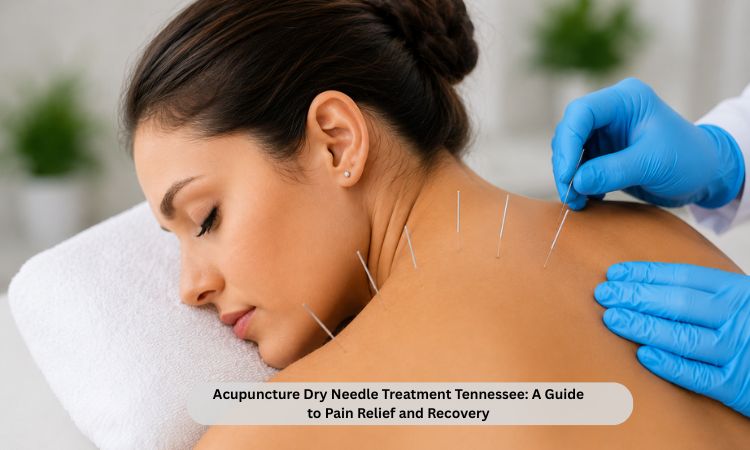
Pain, muscle tension, and limited movement can affect your daily routine, especially after an accident, sports injury, or ongoing musculoskeletal problem. For people looking for non-surgical approaches to pain management, acupuncture and dry needling in Tennessee may be options worth discussing with a qualified healthcare professional.
At Accident & Wellness Care Center, acupuncture and dry needle therapy can be part of a personalized approach to helping patients manage pain, improve mobility, and support their recovery. While acupuncture and dry needling both use thin needles, they are different treatment approaches and should not be considered the same procedure.
What Is Acupuncture Dry Needle Treatment in Tennessee?
Acupuncture dry needle treatment is often used online to describe needle-based therapies for pain and wellness. However, acupuncture and dry needling are distinct practices.
Acupuncture traditionally involves placing very thin needles at specific points on the body as part of an acupuncture treatment plan. Dry needling generally focuses on muscles, trigger points, and areas of muscular tension. The technique may be used as part of physical rehabilitation or musculoskeletal care.
In Tennessee, treatment should be provided by an appropriately qualified and licensed professional within their legal scope of practice.
Acupuncture vs. Dry Needling: What Is the Difference?
Although both techniques use needles, their purposes and treatment methods can differ.
- Acupuncture is commonly used as a complementary approach for pain management and wellness. Treatment may involve specific acupuncture points selected according to the individual’s symptoms and treatment goals.
- Dry needling is commonly directed toward muscles and myofascial trigger points. A practitioner may use the technique to address muscle tightness, trigger points, and movement-related discomfort.
The best option depends on your symptoms, health history, and treatment goals. A professional evaluation can help determine whether acupuncture, dry needling, or another treatment approach is appropriate.
What Conditions Can Dry Needling Help With?
Dry needling may be considered as part of care for certain musculoskeletal problems. Depending on an individual’s condition, treatment may be used alongside other rehabilitation strategies for:
- Neck and shoulder discomfort
- Back pain
- Muscle tightness
- Myofascial pain
- Trigger points
- Sports-related muscle problems
- Limited mobility
- Certain accident-related injuries
Research suggests dry needling can provide pain and functional improvements for some people with myofascial trigger points. However, results can vary depending on the individual and the underlying condition.
Can Acupuncture Help With Pain?
Acupuncture is commonly used as a complementary treatment for several types of pain. Some patients seek acupuncture for back discomfort, neck pain, headaches, muscle tension, and other concerns.
Rather than assuming that acupuncture is appropriate for everyone, a qualified provider should consider your symptoms, medical history, current treatments, and overall health before recommending a treatment plan.
Acupuncture may also be used as part of a broader wellness or pain-management strategy rather than as a standalone solution.
What Happens During a Dry Needling Session?
A dry needling appointment typically begins with an assessment of your symptoms and physical condition. Your provider may ask about the location and duration of your pain, previous injuries, activities that make your symptoms better or worse, and your treatment goals.
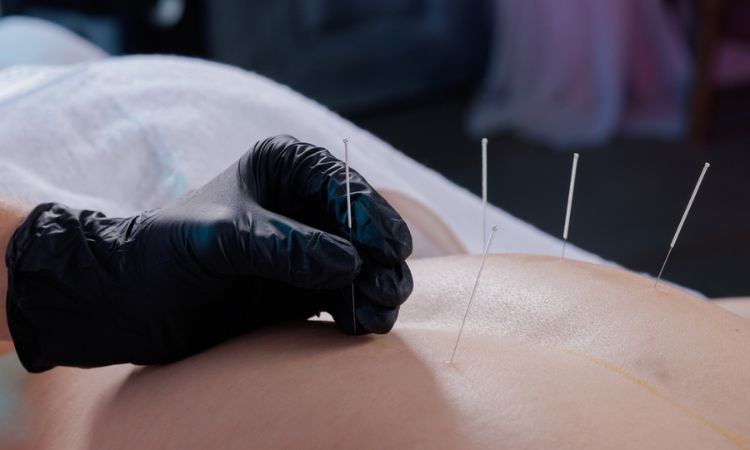
If dry needling is considered appropriate, the practitioner identifies the muscles or trigger points that may be contributing to your symptoms. Very thin, sterile needles are then inserted into selected areas.
Some people experience a brief twitch, pressure, or mild discomfort during treatment. Temporary soreness can occur afterward, similar to what some people experience following exercise or other muscle-focused treatments.
Your provider can explain what to expect before treatment and provide appropriate aftercare recommendations.
Is Dry Needling Painful?
Dry needling is generally performed using very thin needles, but individual experiences vary. Some people report little discomfort, while others may notice a brief sensation when a trigger point is stimulated.
Mild soreness, bruising, or temporary tenderness can occur after treatment. Discuss any concerns with your provider before the procedure so they can explain the expected sensations and determine whether the technique is suitable for you.
Dry Needling After an Auto Accident
Auto accidents can cause muscle strain, soft-tissue injuries, neck discomfort, back pain, and reduced mobility. Even when an injury does not initially seem serious, symptoms can develop or become more noticeable later.
Dry needling may be considered as one component of a comprehensive rehabilitation plan when muscular dysfunction or trigger points are contributing to discomfort.
At Accident & Wellness Care Center, treatment should be based on an individual assessment rather than using the same approach for every accident-related injury.
Combining Dry Needling With Other Treatments
Needle-based therapies do not necessarily need to be used alone. Depending on your condition, a provider may recommend combining treatment with other rehabilitation or wellness approaches.
A comprehensive plan may include appropriate exercises, stretching, physical rehabilitation, manual techniques, education, and lifestyle recommendations. The goal is to address the factors contributing to your symptoms while supporting safe functional recovery.
Why Choose Accident & Wellness Care Center?
Accident & Wellness Care Center provides care focused on pain management, injury recovery, and wellness. If you are considering acupuncture or dry needle treatment in Tennessee, discussing your symptoms with a qualified professional can help you understand your options.
A personalized assessment is important because the appropriate treatment depends on the cause of your pain, your health history, and your recovery goals.
If pain, muscle tension, or an injury is affecting your daily life, you do not have to manage it without professional guidance. Acupuncture and dry needle therapy in Tennessee may be considered as part of an individualized pain-management and rehabilitation plan.
Take the Next Step Toward Better Recovery
Contact Accident & Wellness Care Center to discuss your symptoms and learn whether acupuncture or dry needling may be appropriate for your recovery needs.
Frequently Asked Questions
Q1. Is acupuncture the same as dry needling?
No. Although both use thin needles, acupuncture and dry needling are different treatment approaches. Acupuncture generally uses specific acupuncture points, while dry needling commonly targets muscles and myofascial trigger points.
Q2. Does dry needling help back pain?
Dry needling may help some people with muscular or myofascial contributors to back pain. Your provider should evaluate the underlying cause of your symptoms before recommending treatment.
Q3. Can dry needling help neck pain?
It may be useful for certain types of muscular neck pain and trigger-point-related discomfort. A professional assessment can determine whether it is appropriate for your condition.
Q4. How long does a dry needling session take?
The duration can vary depending on the treatment area, number of areas being addressed, and your overall care plan. Your provider can give you a more specific estimate during your appointment.
Q5. Are there side effects of dry needling?
Temporary soreness, tenderness, or minor bruising can occur. More serious complications are uncommon but possible, which is why treatment should be performed by an appropriately qualified professional.
Q6. Should I choose acupuncture or dry needling?
There is no single option that is best for everyone. The appropriate treatment depends on your symptoms, health history, diagnosis, and treatment goals. A qualified provider can help you understand which approach may be appropriate.